How I teach vibe coding.
Vibe coding — directing AI to write software through natural language instead of writing the code yourself — is the central skill I teach in MSIS 549 at the Foster School of Business. I treat it as a professional competency, not a programming trick. The thesis is simple: direction is a skill, and like any skill, it can be practiced and improved.
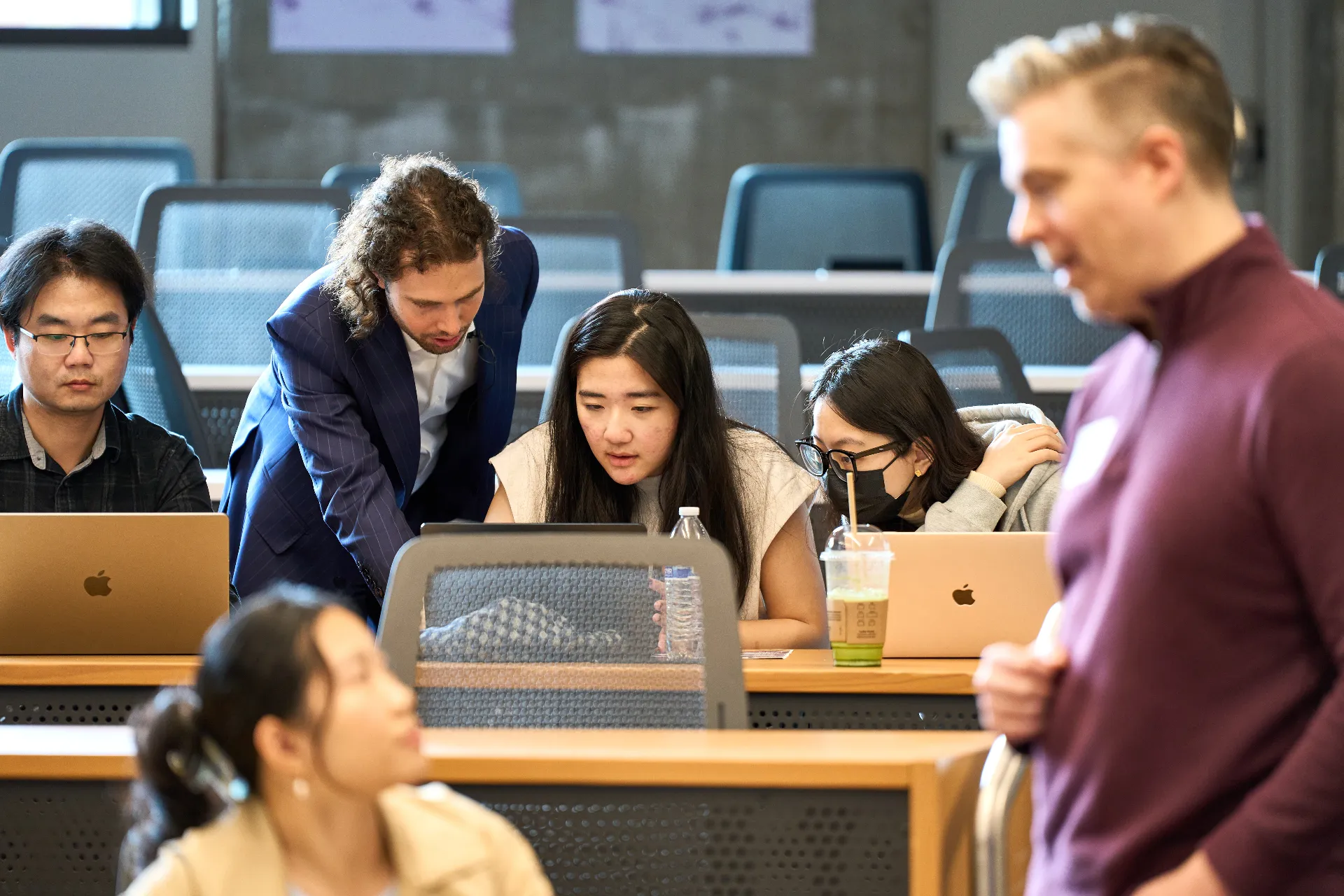 Live in class · Foster School
The four-level skill ladder
I structure the session around a ladder that meets every student where they are. No technical background? Level 1. Already shipping software? Level 4 will stretch you. Nobody left behind, nobody bored.
I demo a snake game with UW branding across ChatGPT, Claude, and Gemini, side by side. Students immediately see the same prompt produce three different results.
Then everyone builds their own game. Games work as a teaching tool because they are fun, shareable with the person sitting next to you, and ruthlessly honest about whether your directions were clear.
When the snake passes through the wall instead of dying, the bug is unambiguous — and the student feels it.
Play it. Arrow keys or WASD. This is the kind of game students build in the first 20 minutes.
The ladder serves a second purpose: it dismantles fear. Quick, live in-class demos make the process look achievable, failures surface openly, and the homework becomes the forcing function.
How the homework and projects make it real
The ladder is the what. The assignments are the forcing function that turns it into lived competence.
Homework 1 — the business website
Right after Session 2, students pick a real business — often a family member's shop, a local café, a nonprofit, or a Fortune 500 division with a weak web presence — and build a deployed website for it using Lovable or a tool of their choice. The catch: they have to gather feedback from the actual business owner and from real potential customers, then iterate. That single requirement converts vibe coding from a classroom exercise into stakeholder work. Suddenly the screen brightness lesson matters: the owner can tell you within thirty seconds that the page "looks like every other site," and the student has to direct the AI toward something specific to that business. They learn responsive design because the owner opens the site on her phone and it breaks. They learn validation because their first version misrepresents the product.
Homework 2 — the agentic workflow
Building on the vibe coding foundation, HW2 asks students to construct an agentic workflow that addresses a genuine pain point in their own professional or personal life. This is where vibe analytics often shows up explicitly: a workflow that reads emails and summarizes them, an agent that monitors a dataset and flags anomalies, a pipeline that ingests PDFs and produces a structured report. The deliverable includes a mini-benchmark — five to ten test cases with defined metrics and a baseline — so students cannot ship vibes alone. They have to demonstrate that the thing works.
The team project
Running in parallel, the team project asks students to scope something larger than any individual could build in an afternoon: a multi-feature app, a working agent with real users, a dashboard a stakeholder will actually open on Monday. The team format introduces the orchestration challenge I think will define knowledge work over the next decade — the one PM per one engineer pattern, where someone has to hold the creative direction while someone else runs the building loop. They divide labor, merge work in GitHub, and resolve the inevitable design disagreements. That collaboration tax is exactly the skill I want them to feel.
The GenAI and Agentic Fair
The course ends with a public, poster-session-style fair where each student demos their work live to industry judges and Foster alumni. There is no exam. There is a laptop, a working demo, and a stranger asking, "Why does it do that?" The fair format is the most honest assessment instrument I have ever used. You cannot bluff a live demo. The artifact either works or it does not, and the student either understands their own system or they do not. Alumni vote, prizes get handed out, and students leave with a portfolio piece they can show in interviews.
Together, the four pieces — HW1, HW2, the team project, the fair — convert vibe coding from "I built a snake game in class" into evidence the student can point to and say: I shipped this for a real person, and they used it. That is the whole point. Vibe coding is only valuable if it ends in something real.
What real stakeholders said
Across 40 students who built and shipped a website for a real business, then gathered feedback from the actual owner and real customers, the signal was overwhelmingly positive.
of target website customers reacted positively
of stakeholders reacted positively to the site
of stakeholders said they actually want to use or launch the site
"I want to use this"
Here are 8 stakeholders who asked to actually launch or keep using the sites built by the students for their homework.


So impressed he is now planning to purchase the domain and replace the AI-generated placeholders with his actual work.
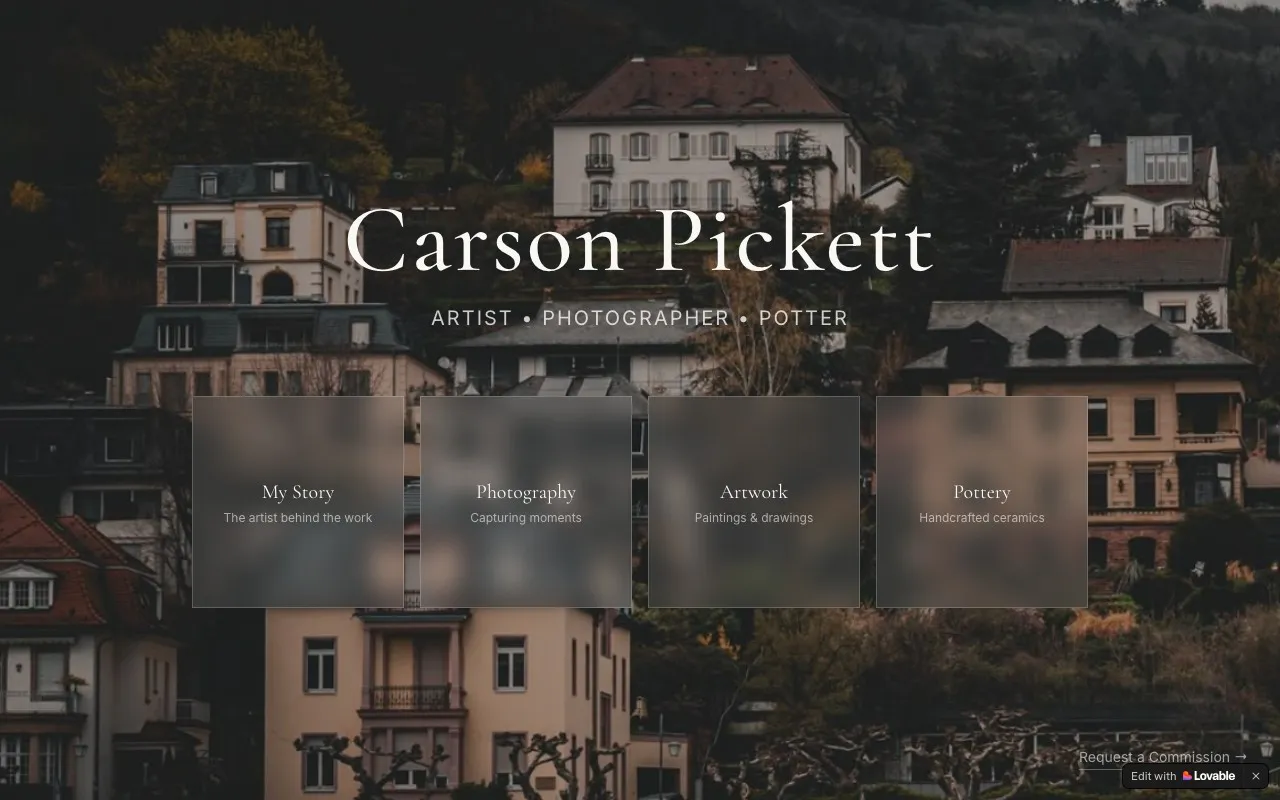

Carson was shocked by how well it captured everything — better than I did on my own — and said she'd actually use it.
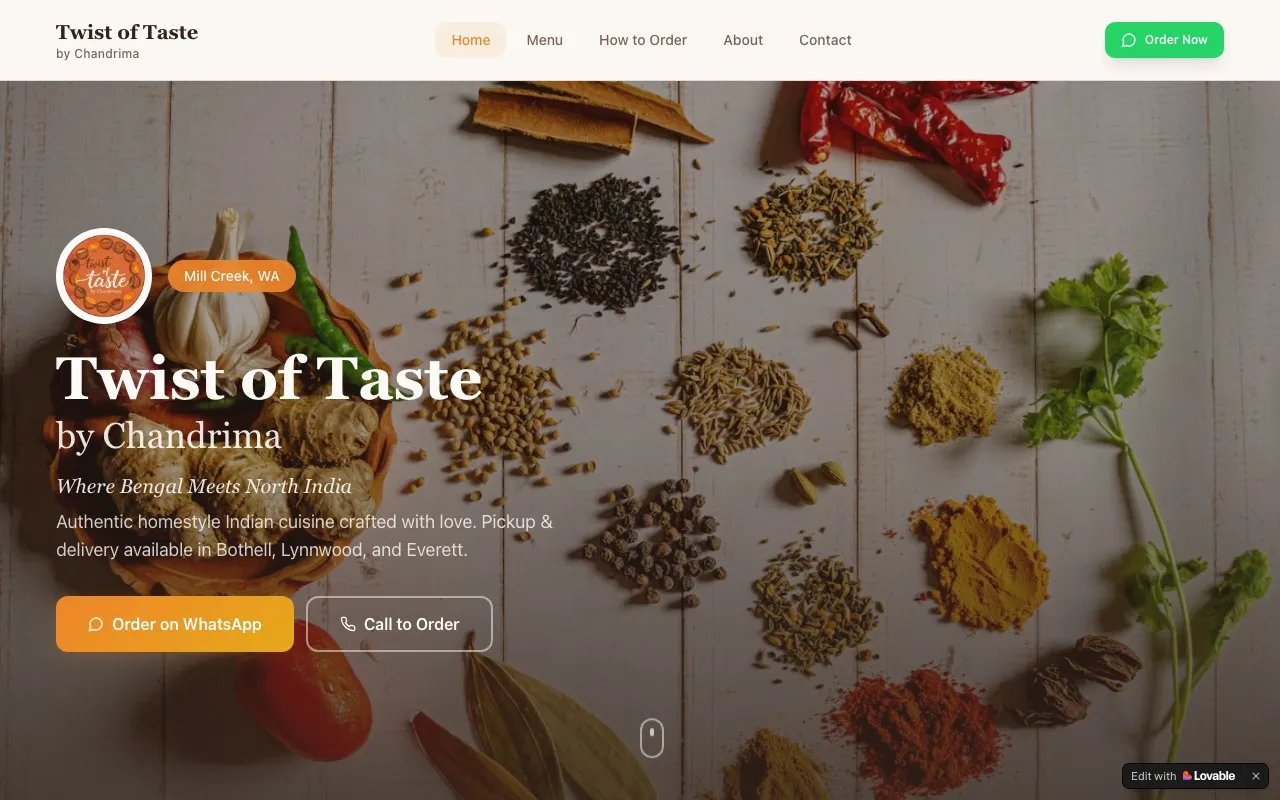

Chandrima wishes to use this website for her actual cloud kitchen operations — and customer Amit literally placed an order via it during testing.
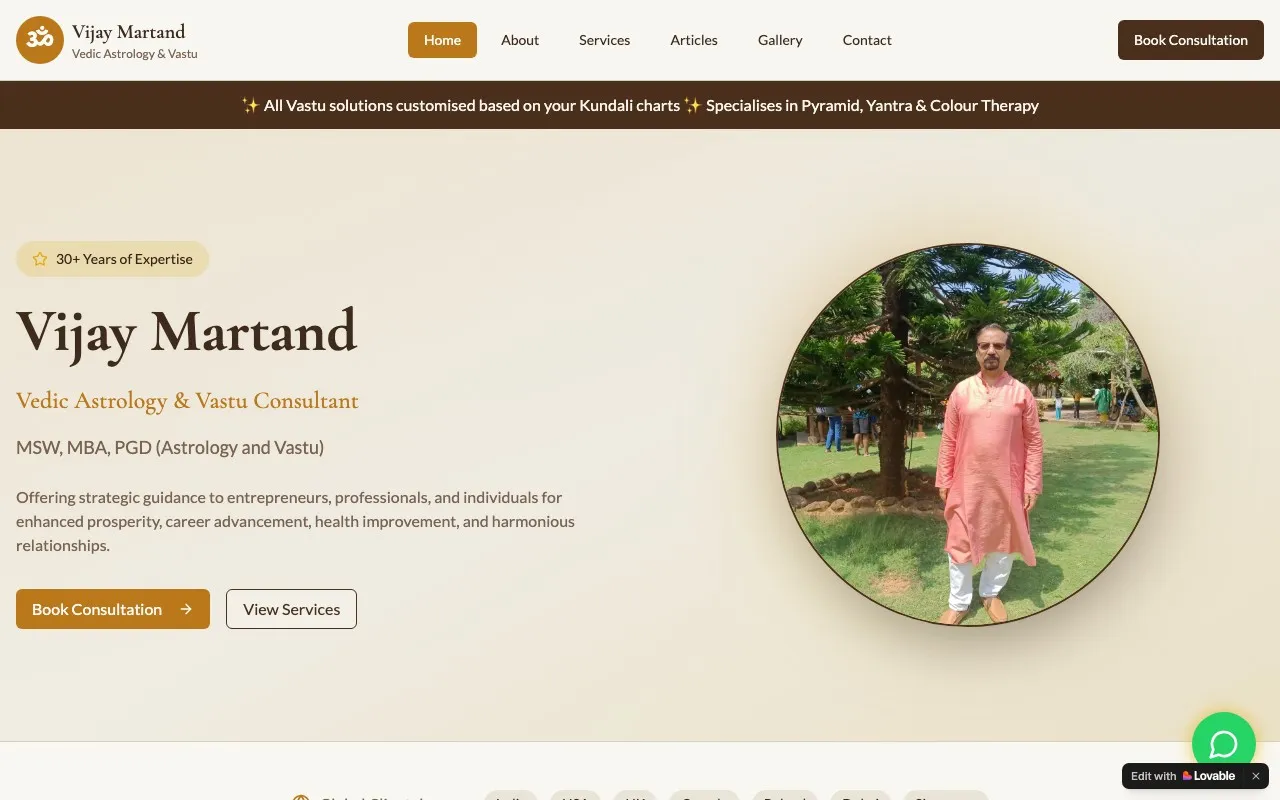

They jointly bought the domain vijaymartand.in and replaced contact forms with WhatsApp API integration.
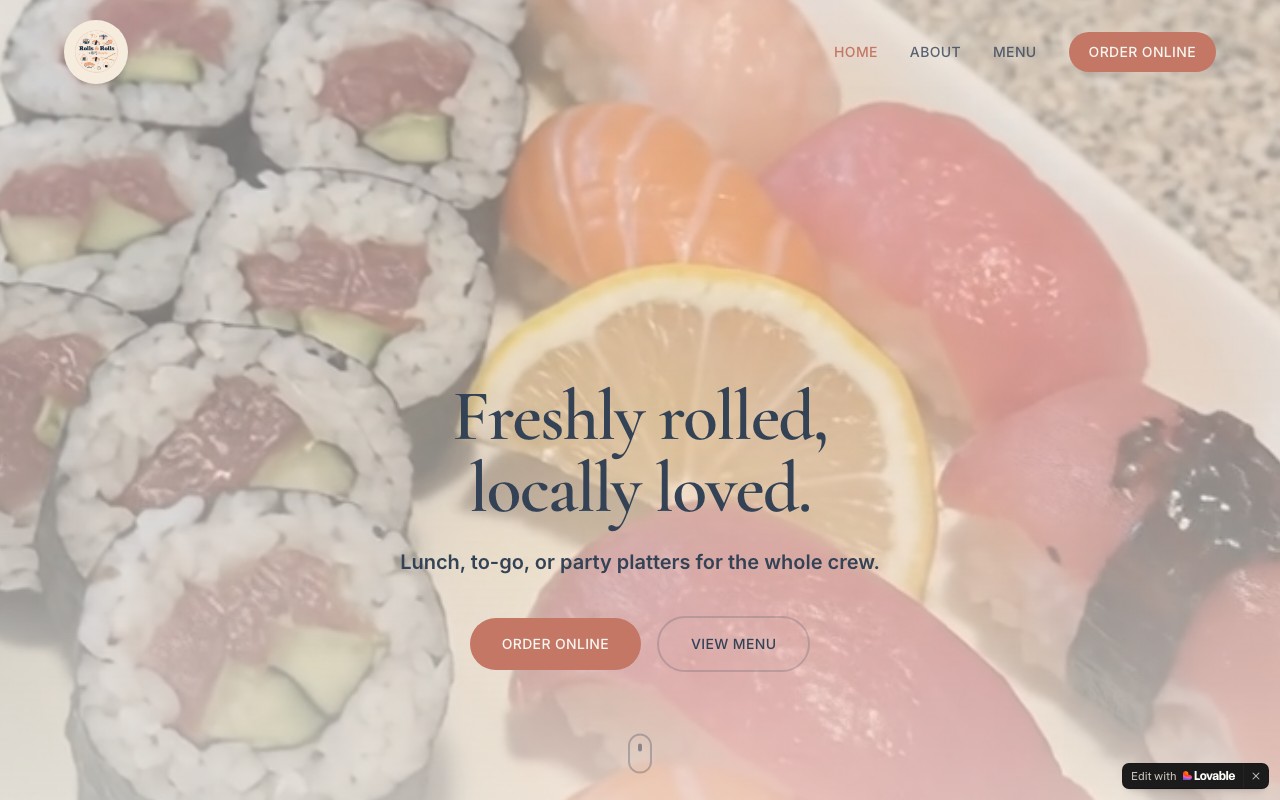

My friend liked the website so much that she wants me to continue building it out, including integrated ordering and reservation options.
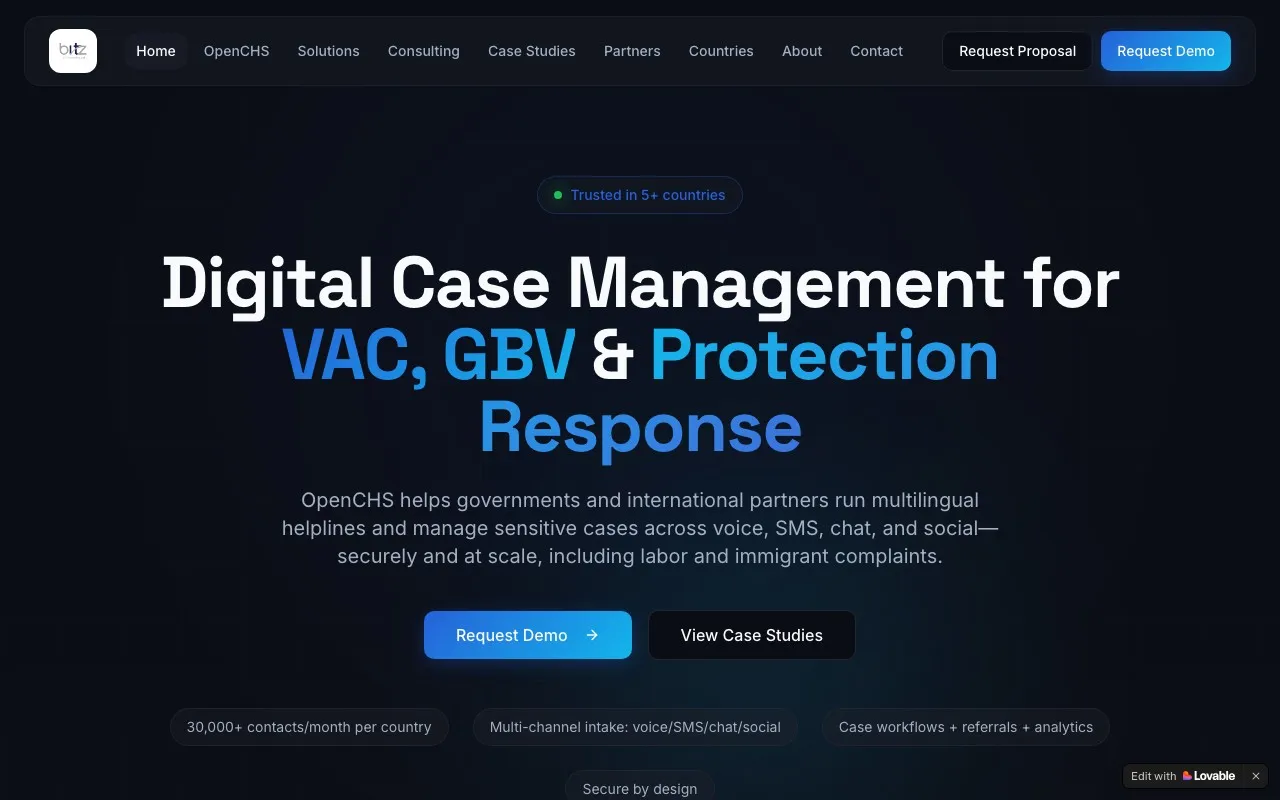

Already using it to generate leads and grow — not a demo, it's production infrastructure.
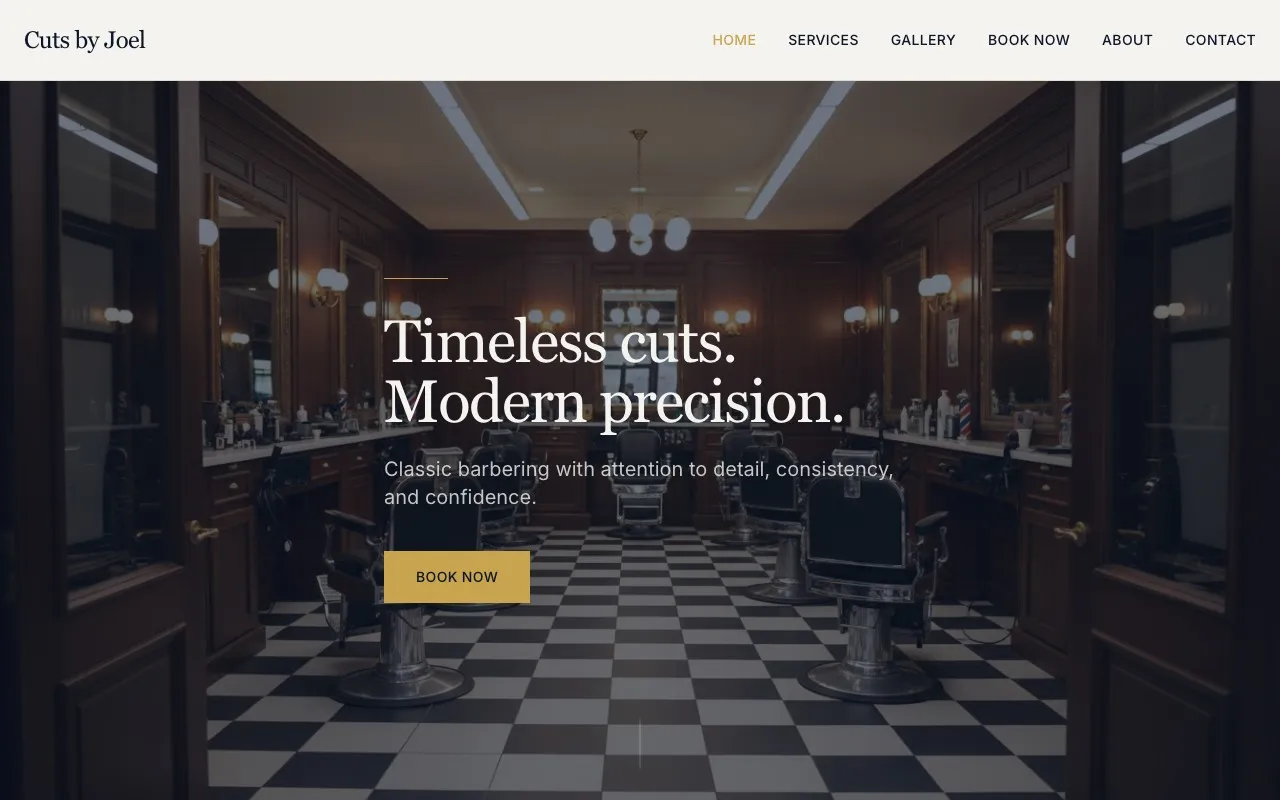

A client called the site professional and legit.
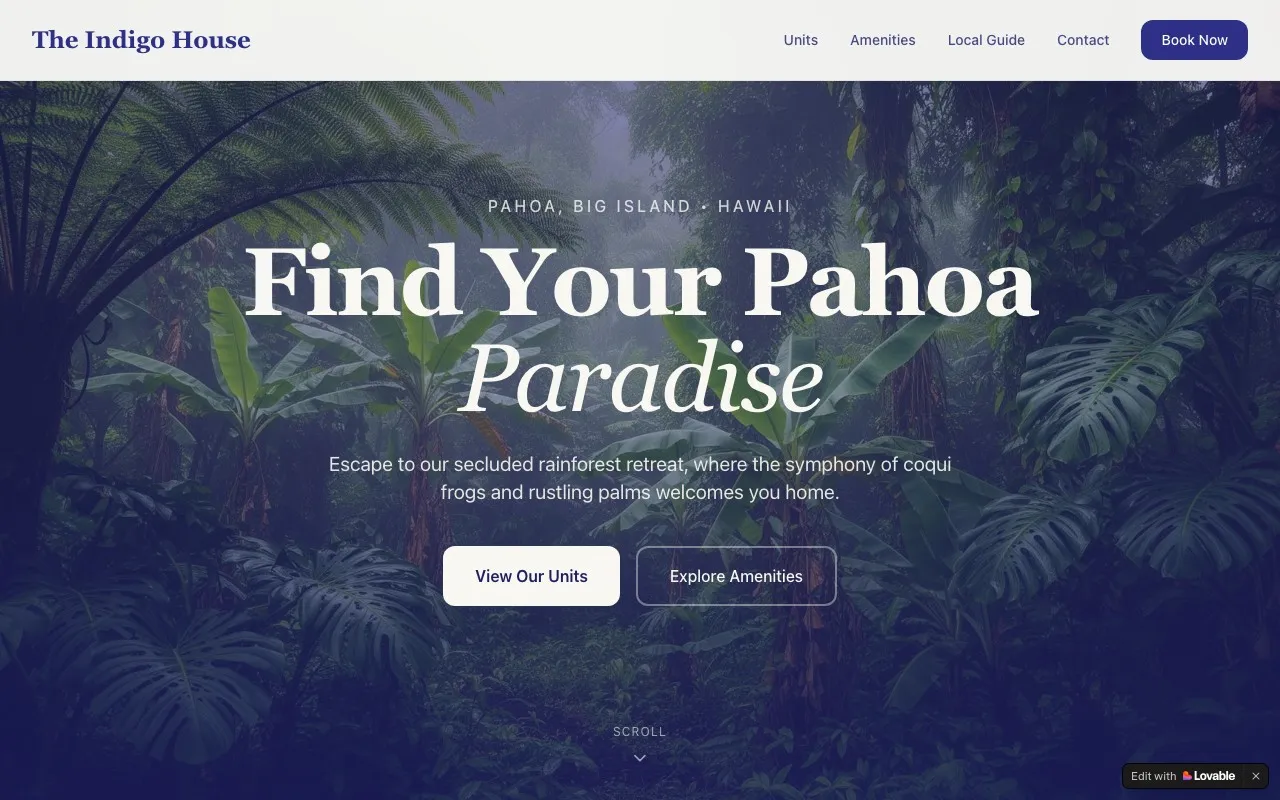

Parents endorsed the new dedicated digital presence for their listing.
My app inspired theirs
I build alongside my students. My own app — Lifer, a map-first birding companion with a target-species workflow — became a reference pattern. Several students took the same idea (a map, a discovery loop, a plan you can act on) and applied it to a domain they cared about.
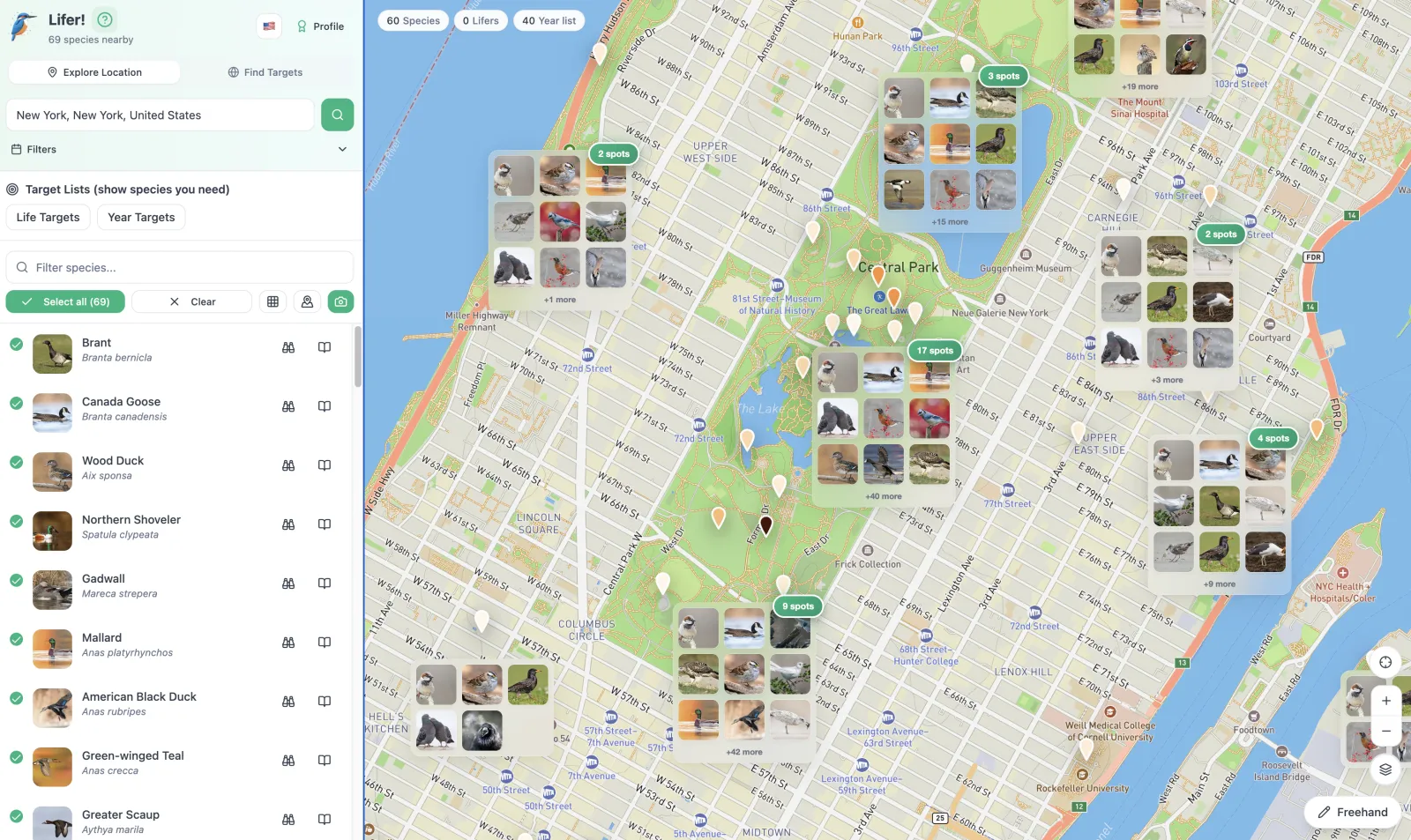
The Lifer target-species map — the reference pattern.
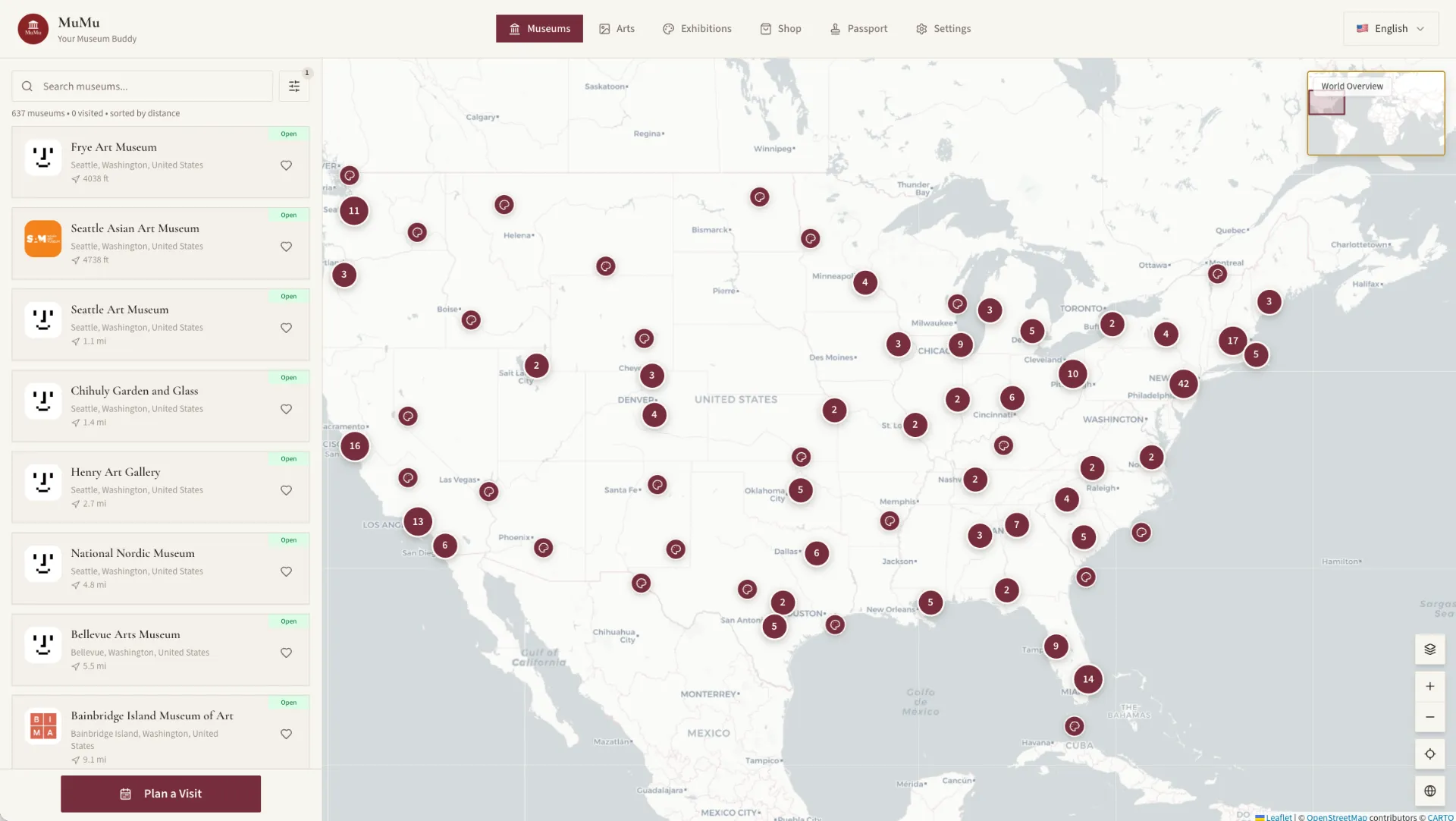

A museum discovery and visit-optimization planner — map-first exploration applied to art and culture instead of birds.
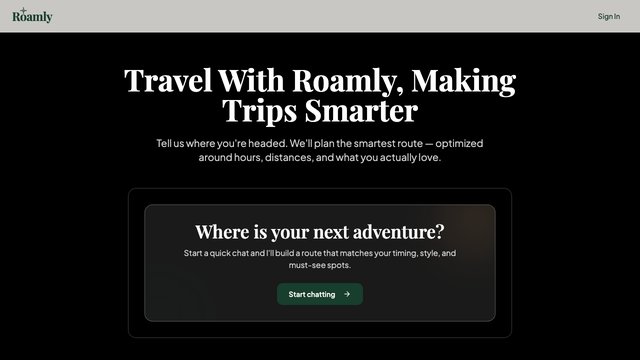

An AI-powered trip planner that turns a destination into a personalized, mappable travel itinerary.
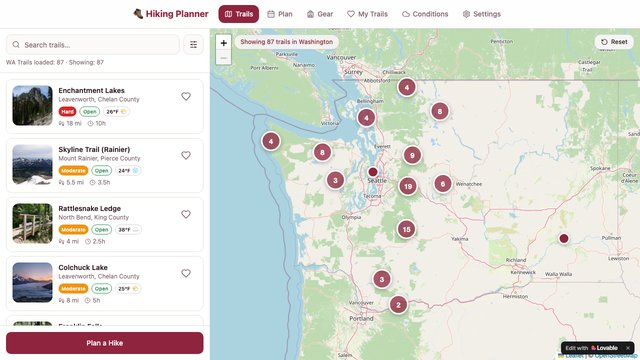

A trail-planning companion that maps Seattle hikes to conditions and preferences — the target-bird workflow, reimagined for the outdoors.
The lessons that stick
The screen brightness walkabout
Halfway through the personal-website exercise, I ask everyone to open their page, turn screen brightness to maximum, and walk around the room. From a distance, the pages look colorful and diverse. Up close, they are structurally near-identical: same hero, same three-column section, same footer. Template convergence becomes physically visible. AI does not guarantee creativity unless the human director deliberately pushes for it.
Token economics & disposable software
We are in the era of disposable software. Build the thing you need for this afternoon's meeting, ship it, throw it away tomorrow. The cost is no longer developer hours; it is tokens. Better direction means fewer wasted tokens, faster iteration, and higher-quality output.
Planning vs. driving — the calibration problem
Over-plan and you stifle generative creativity. Under-specify and you get generic, off-target results. Directing AI is like managing a team: micromanaging produces safe, mediocre work; full delegation invites misalignment. The skill is the calibration.
The validation paradox
As AI agency grows, the need for human validation grows with it — but the human's capacity to validate shrinks. After five or ten prompts of accumulated complexity, reverse-engineering the chain is nearly impossible. Validate continuously, not at the end.
Why I teach this first
Vibe coding sits in Session 2, right after the introduction. That placement is deliberate. Once students have felt the rush of shipping something real in a single class period — a working game, a deployed personal site — they are ready for everything that follows. Agentic workflows, evaluation pipelines, the capstone fair.
It also directly prepares them for Homework 1, where they build a real business website with real stakeholder feedback. By that point, they have already done it once in class. The blank terminal is no longer scary. The activation energy for independent work has been lowered to nearly zero.
That is the whole game: get students to feel, early and viscerally, that they can direct AI to build real things. Everything else follows from there.